19.–21.3. / HAU1
The 37th conference of the Disruption Network Lab
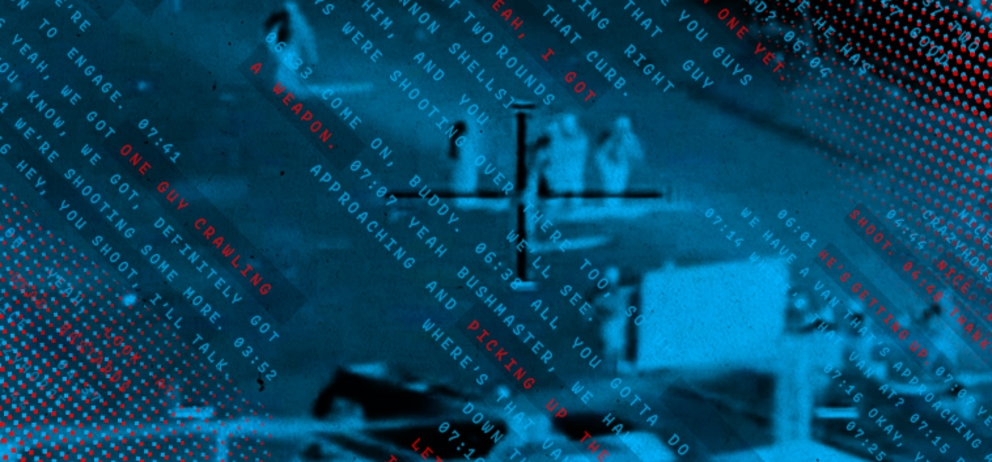
WikiLeaks transformed journalism by changing how public information is created and accessed. This symposium explores its legacy, why its work mattered, and how society and politics shifted as its global releases exposed systems of power. WikiLeaks members, journalists, lawyers, experts, artists, activists, and major whistleblowers discuss war, surveillance, secrecy, and new paths for action and resistance.
Whistleblowers from the NSA, CIA, FBI, and the military are also present, offering first-hand insights into the systems of power investigated by WikiLeaks. Topics include the reasons behind WikiLeaks' work, the context of war and the military-industrial complex, the effects of revealing information on intelligence, cyber surveillance, global economy, and corporate and government secrets.
WikiLeaks founder Julian Assange is free. He was forced to plead guilty to avoid a life sentence for charges that should never have been brought against him for carrying out a journalistic act: exposing crimes. Bringing light to human rights violations, corporate wrongdoing, or government secrets is a vital public service. While many events have emphasised the importance of the work of Julian Assange, and the persecution that has ensued, few have attempted to analyse the reasons behind the decisions to pursue this work and the concrete consequences in society of the leaks. It is not only necessary to understand the reasons behind the choices that informed courageous acts against systems of power, but also to analyse the direct real-world impact of the work of WikiLeaks
This symposium explores the lessons learned from WikiLeaks and connects them to recent events. Taking inspiration from the sections into which the WikiLeaks website is built, six panels offer insights from experts who have experienced the systems of power investigated by WikiLeaks and have worked actively on the leaks. It sheds light on why it is important to keep information free and accessible and to learn from the methodology proposed by Julian Assange and the WikiLeaks team. It also aims to provide a platform for synergies and the development of tactics and actions for the future.
The work of WikiLeaks is presented as inspiration for future experiences in journalism, press freedom and networked resistance, as well as for new artistic and activist interventions and distributed methods of providing open information.
Here you can find short bios of all the participants of the symposium.