EXPOSING CRIMES IS NOT A CRIME
Day 2
17:00 Government & Diplomatic Cables
With Kristinn Hrafnsson, Stefania Maurizi, Ewen MacAskill, Jack Poulson / Moderation: Joseph Farrell
20:00 Intelligence & Cybersurveillance
With Terry Albury, Thomas Drake, Katharine Gun, Andy Müller-Maguhn / Moderation: Chip Gibbons
Live stream on HAU4
- Dialogue
English /
With German simultaneous translation /
Government & Diplomatic Cables
17:00–19:00
With Kristinn Hrafnsson (Editor-in-chief of WikiLeaks, IS), Stefania Maurizi (Investigative Journalist, Regular Contributor, Il Fatto Quotidiano, IT), Jack Poulson (Executive Director, Tech Inquiry, US), Ewen MacAskill (Reporter, Former Guardian's Defence and Intelligence Correspondent, UK)
Moderation: Joseph Farrell (WikiLeaks Ambassador, SZ/UK)
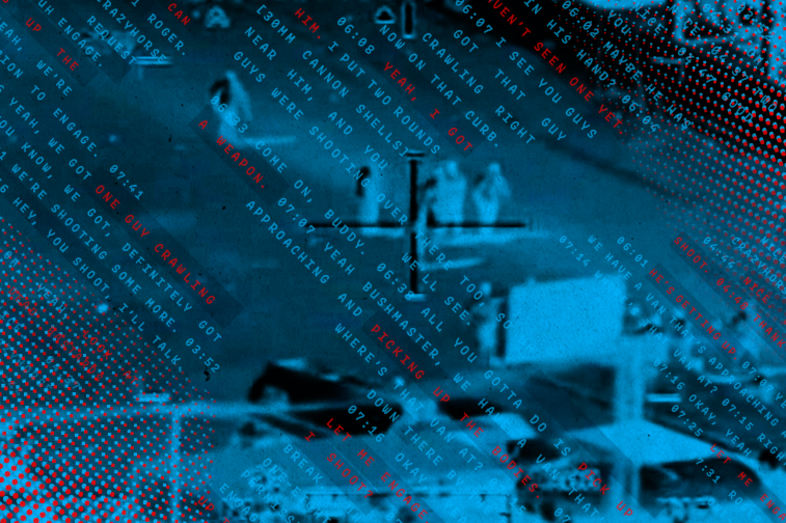
In 2010 WikiLeaks began to release “Cable Gate”, over a quarter million US diplomatic cables. The cables proved that Washington had instructed its diplomats to spy on people working at the United Nations, they likely catalysed both the Arab Spring and the withdrawal of US troops from Iraq by showing greed and corruption in Libya and Tunisia, US coverups in Iraq, torture in Egypt, drone strikes in Yemen and much more. Julian Assange was subsequently awarded Australia’s most prestigious journalism award, but following CableGate Assange also became a clear target for the US government.
Italian investigative journalist Stefania Maurizi reported on the Cables for an entire year, exposing among other things how the US put pressure on Italy to stop the extradition and prosecution of CIA officers responsible for the extrajudicial kidnapping and torture of an Egyptian cleric. She has followed the legal persecution of Julian Assange closely, even litigating for the right of the press to gain access to the full set of documents held by various authorities related to the Assange and WikiLeaks cases.
Pulitzer Prize winner Ewan MacAskill played a key role in reporting the revelations from whistleblower Edward Snowden about the mass surveillance by US and UK intelligence agencies. He had a crucial role in preparing the publication disclosures of the activities of the NSA and the impact of the Diplomatic Cables publications.
Jack Poulson has built on the Diplomatic Cables to expose the military-industrial complex with his project TechInquiry, by creating searchable databases connecting open source and declassified documents, lobbying documents, procurement feeds and WikiLeaks materials. Reports coming out of TechInquiry have exposed numerous connections between Silicon Valley and the US military.
The conversation involves also two WikiLeaks members: Kristinn Hrafnsson, investigative journalist and the editor-in-chief of WikiLeaks, who was the spokesperson for WikiLeaks between 2010 and 2017, and who contributed to the processing of the Collateral Murder video; Joseph Farrell, WikiLeaks Ambassador, who joined WikiLeaks in 2010, and has been a section editor for several WikiLeaks’ publications including the Iraq and Afghan War Logs and Cablegate.
Intelligence & Cybersurveillance
20:00–22:00
With Terry Albury (Former FBI Agent, Whistleblower, US), Thomas Drake (Whistleblower, former Senior Executive at the National Security Agency, US), Katharine Gun (Whistleblower, former Mandarin-language specialist at GCHQ, UK/TR), Andy Müller-Maguhn (Wau Holland Foundation, DE)
Moderation: Mark Curtis (Co-Director, Declassified UK, Journalist, UK)
This panel conversation relates to a body of documents published by WikiLeaks from 2012 until 2017, including the e-mail correspondence of the global intelligence firm Stratfor, the e-mails from the Italian malware surveillance vendor Hacking Team, documents about the world NSA massive surveillance, and the related Bundestag Inquiry into BND and NSA, and the NSA France Inquiry, as well as the Spy Files Russia, and the series of Vault documents (Vault 7 and Vault 8) about electronic surveillance and cyber warfare by the CIA.
These leaks in the context of intelligence and cybersurveillance have been crucial to enable investigative journalists, forensic experts and the general public to better identify and understand hidden surveillance mechanisms from private corporations as well as governments, and provide accountability – for example, shedding light on the NSA global surveillance and CIA infrastructure components. Furthermore, the leaks demonstrated the abuse of malware and privacy risks that can affect a variety of connected devices that an average person uses every day, showing the importance of working in depth with anonymity, privacy and data protection. Alongside, the leaks demonstrated that every connected device can be hacked and repurposed for surveillance.
The speakers of this section involve Terry Albury, a former FBI counterterrorism agent who witnessed first-hand mechanisms of power executed from within, and whose leaks (The FBI’s Secret Rules, published by “The Intercept”) revealed systemic profiling and surveillance tactics deployed on journalists, vulnerable and marginalised communities (e.g. LGBTQ+, racial, ethnic and religious minorities, as well as women and migrants). He was prosecuted under the Espionage Act and sentenced to four years in federal prison.
Thomas Drake, a former senior executive at the National Security Agency, blew the whistle on 9/11 intelligence failures, massive multi-billion fraud, waste and abuse as well as a secret mass surveillance regime authorised by President Bush that violated the Constitution. He was indicted under the Espionage Act facing decades in prison but went free in a plea deal. He also served as an enlisted aircrew member in the Air Force and as a commissioned intelligence officer in the Navy and a short stint as an intelligence analyst at the CIA. He has dedicated the rest of his life to defending personal privacy and human rights against the abuse of power.
Katharine Gun is a former translator and Mandarin-language specialist at GCHQ, the UK's intelligence and security agency. She is renowned for leaking a top-secret NSA email in 2003, which was published in “The Observer”. The email revealed that the US intended to spy on six United Nations member states in order to justify the war in Iraq and secure a Security Council resolution authorising the attack.
Andy Müller-Maguhn is a privacy and security expert and the vice president of the Wau Holland Foundation. In 2010 he met Julian Assange and WikiLeaks, after which the Foundation began collecting donations for Assange’s legal defence following a boycott by several US banks and credit card companies. He has been a long-term target of surveillance.
The panel is moderated by Chip Gibbons, journalist and researcher.
Dates
Past
Day ticket: 15 € , reduced price 9 €
3-day ticket: 35 €, reduced price 21 €
Credits
A Symposium by Disruption Network Lab (disruptionlab.org). Funded by: Hauptstadtkulturfonds, The Reva and David Logan Foundation. In cooperation with the Wau Holland Foundation (wauland.de) and HAU Hebbel am Ufer.


Location
HAU1
Stresemannstr. 29, 10963 BerlinThere are two marked parking spots in front of the building. Access to the Parkett by means of a separate entrance with lift when necessary. Barrier-free restroom facilities are available.