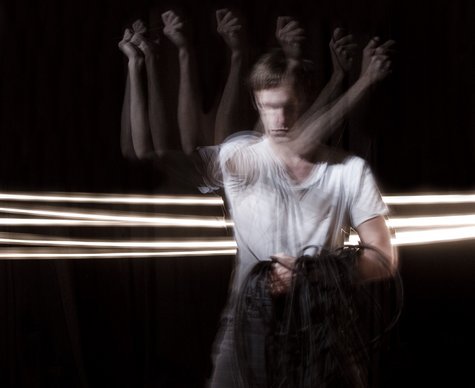
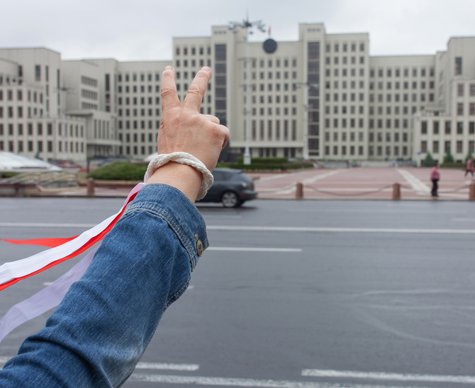
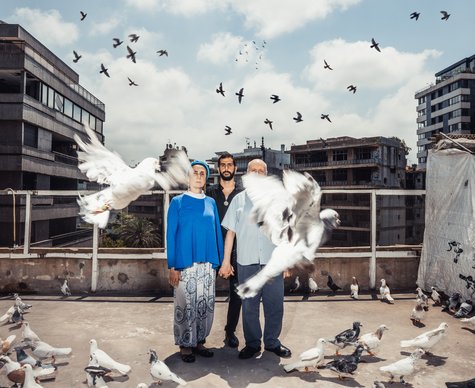
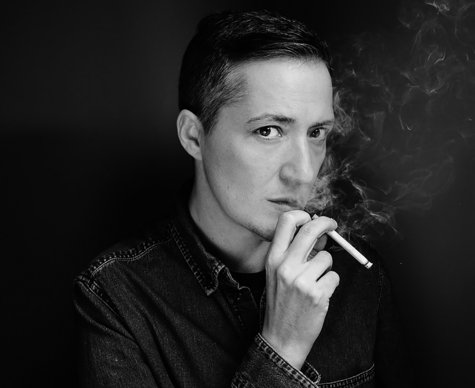
By & with: Antonia Baehr, Jule Flierl, Hermann Heisig, Claire Vivianne Sobottke / Visual installation: Nadia Lauro / Concept: Antonia Baehr & Jule Flierl / Lighting design: Eduardo Abdala / Technical direction: Catalina Fernandez / Production: Alexandra Wellensiek (make up productions) / Production assistant: Izzy Collie-Cousins
Antonia Baehr / Jule Flierl / Hermann Heisig / Claire Vivianne Sobottke
Gut Gemacht! – Eine Versuchsanordnung über Werteverschiebung
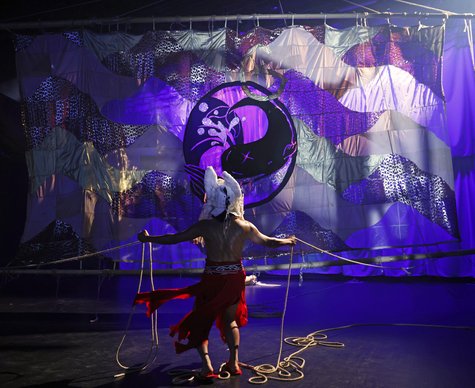
In a visual installation by Nadia Lauro
- Performance
- Dance
German /
With English surtitles /
approx. 110 mins.
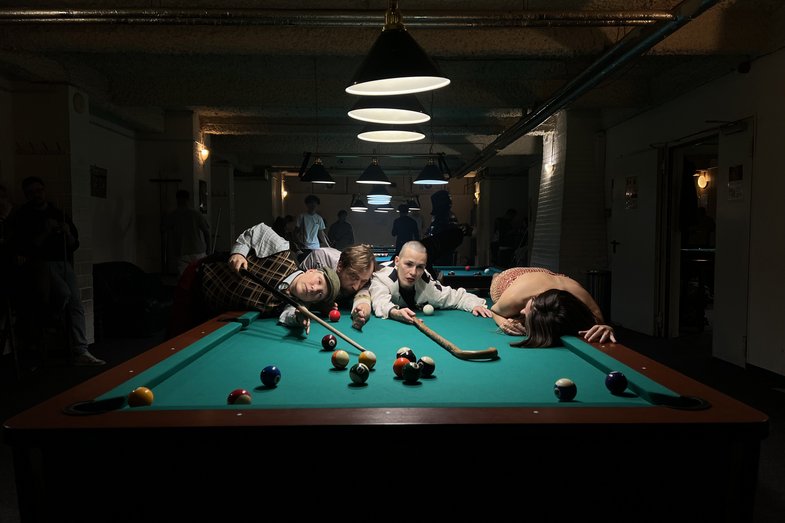
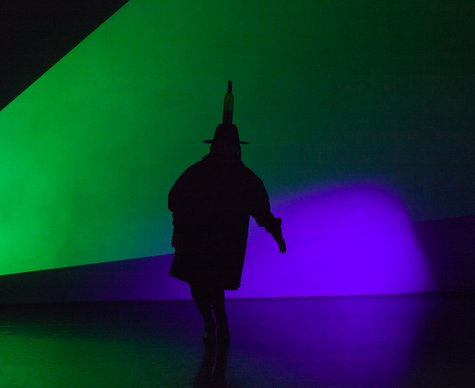
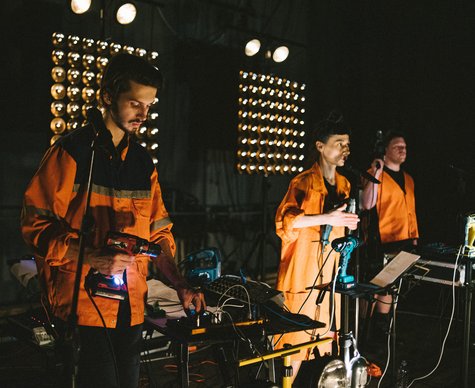
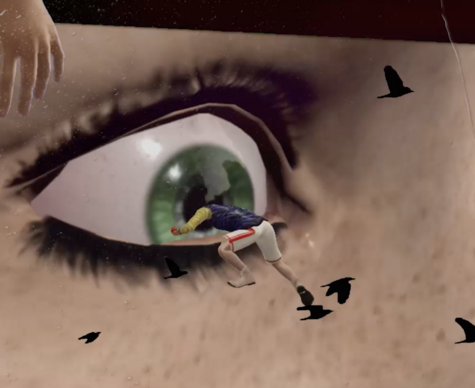
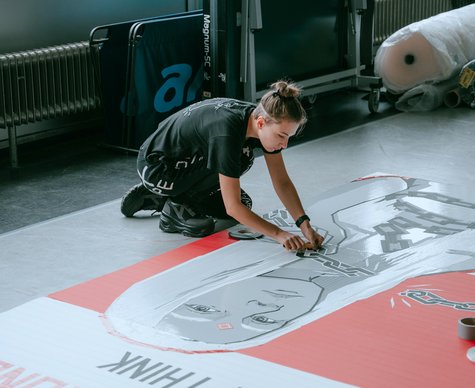
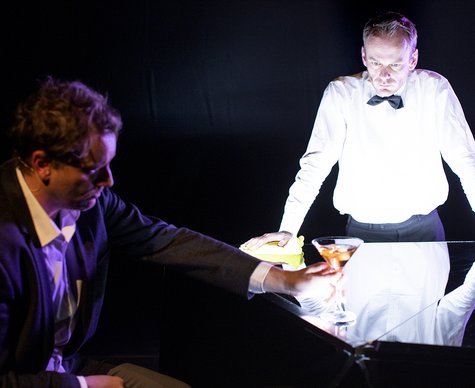
How are judgements formed, and how do norms change in the course of social change? “Gut gemacht!” breaks down value systems and reveals how artists appropriate the rules of art, test them and reduce them to absurdity. In a simulated courtroom setting, the four choreographers, who are friends, inhabit works that transcend good and bad – with dance, tutorials, theatrical scenes and autobiographical songs.
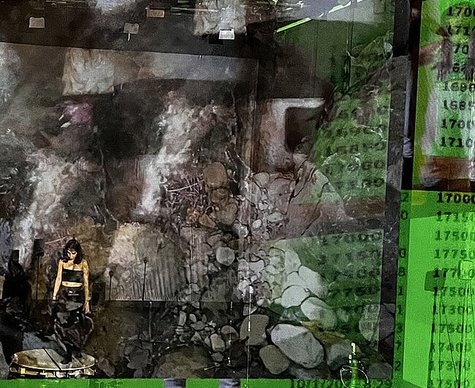
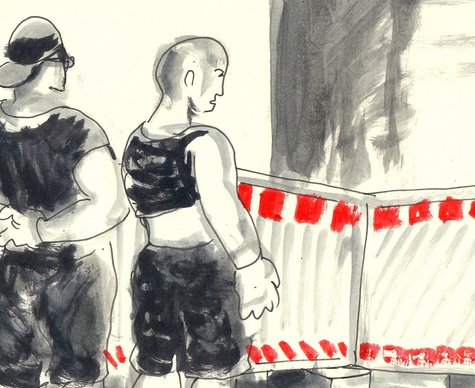
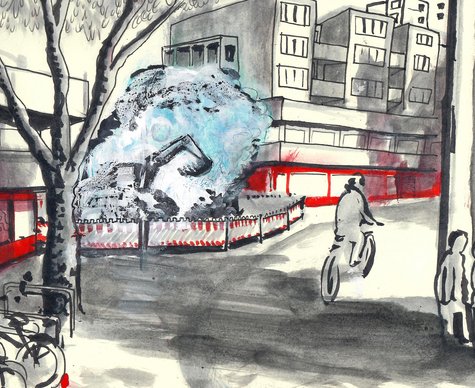
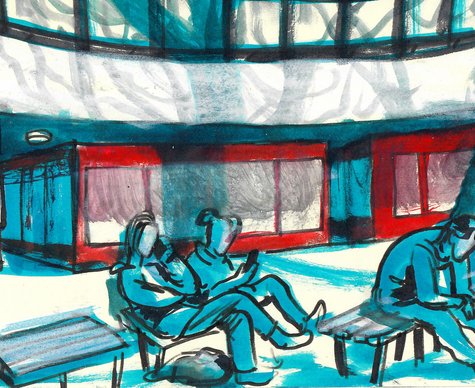
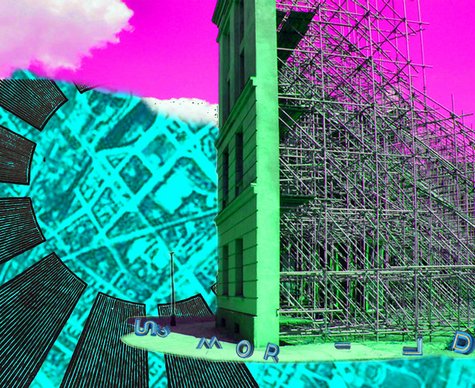
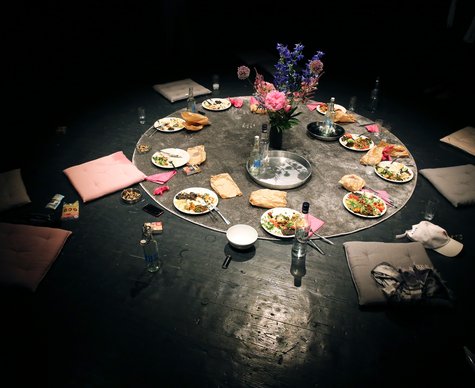
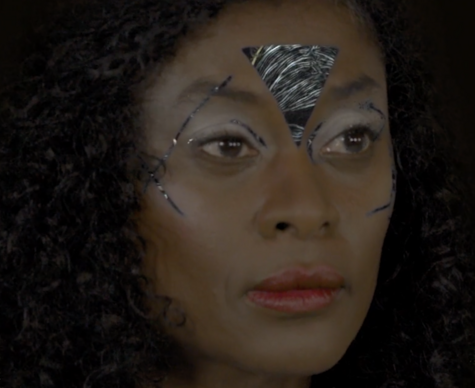
“Gut Gemacht!” (“Well done!”) unfolds in Nadia Lauro’s visual installation, an oversized pool table that becomes a playing field for a dense network of references – from ventriloquism to silent film. Baehr, Flierl, Heisig and Sobottke refer to artistic works that defy conventional standards and exist beyond good and bad. Kurt Schwitters’ “Ursonate” appears in a deliberately ‘badly conceived’ version, Claire Vivianne Sobottke sings a song by the most beautiful woman in West Berlin – Tabea Blumenschein from Ulrike Ottinger’s film “Bildnis einer Trinkerin” (Portrait of a Drinker); the quartet performs the debt structure of the band Die Tödliche Doris as a silent vocal performance to the record. In a series of scenes, the group adopts the principle of equivalence of Fluxus artist Robert Filliou and tests tutorials and acting scenes as “good,” “bad” or “not done.” Historical materials meet autobiographically developed discourses – the quartet takes up Gabriele Stötzer’s (Erfurt, GDR) Veitstanz/Feixtanz and weaves it together with their own experiences. These works stand as question marks in space: how does our view change when society, technology and production conditions shift?
Team
Dates
Past
Price: 22 €, reduced 12 €
After the performance on 6.2.: Break @WAU with DJ Set by Pleasure Politics
Credits
Production: make up productions. Co-production: HAU Hebbel am Ufer, Residenz Schauspiel Leipzig, Les Bazis. Funded by: Fonds Darstellende Künste with funds from the Federal Government Commissioner for Culture and the Media, Berlin Senate Department for Culture and Social Cohesion. Supported by: Marie-Thérèse Allier Foundation Fund for Contemporary Art.
With the kind support of: theaterhaus Berlin, Studio 2.2. Thanks to: Wolfgang Müller, Käthe Kruse, Gabriele Stötzer, Loïc Varanguien de Villepin and the entire team at Les Bazis, Maryse Mira, Anne Zacho Søgaard, the participants of the field project workshop “The Ambition of Failing” at Impulstanz Vienna 2024


Location
HAU2
Hallesches Ufer 34, 10963 BerlinThere are two marked parking spots in front of the building. Barrier-free restroom facilities are available. Four relaxed seats are available in the first row of HAU2.