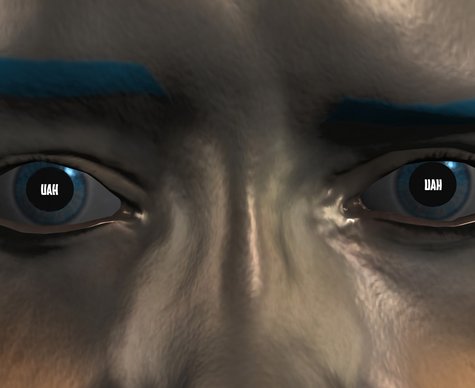
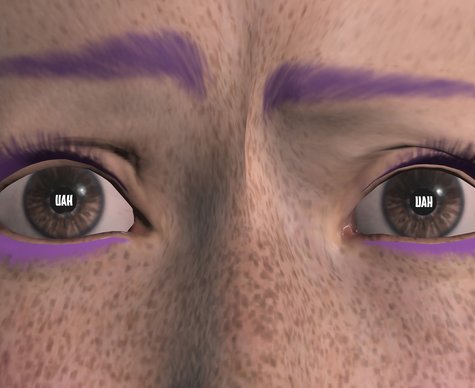
Authors: Nazbiyke Nurgazieva, Sarvinoza Tairova, Sirena Kurbanbekova, Danil Usmanov
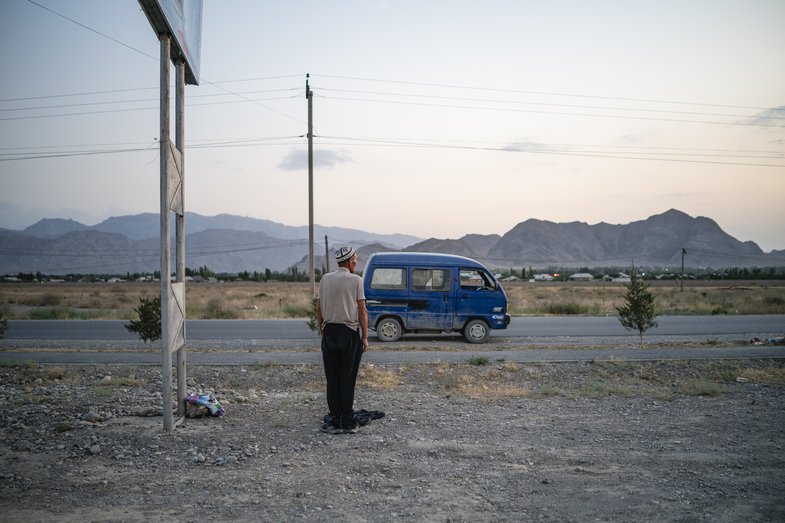
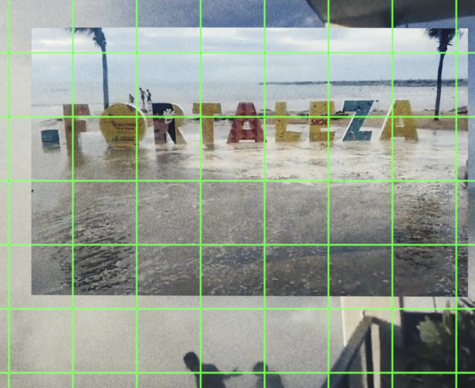
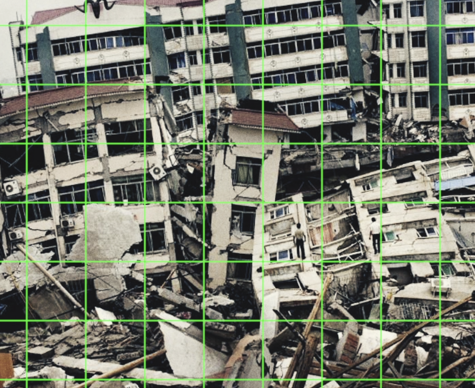
“Valley of the Winds” is a photographic series of and with children growing up in the Batken region of Kyrgyzstan. The project’s title refers to the translation of the word “Batken,” a place where strong winds blow constantly. Many people in the region live in isolation due to water shortage and a harsh landscape, while nearly every family is separated by labor migration. Against this backdrop, artist Danil Usmanov decided to give some children disposable cameras so they could capture their own world through photography. Often, this is a world in which they live apart from their parents, and their connection to them is limited to a smartphone screen. The exhibition features photographs by Nazbiyke Nurgazieva, Sarvinoza Tairova, and Sirena Kurbanbekova.
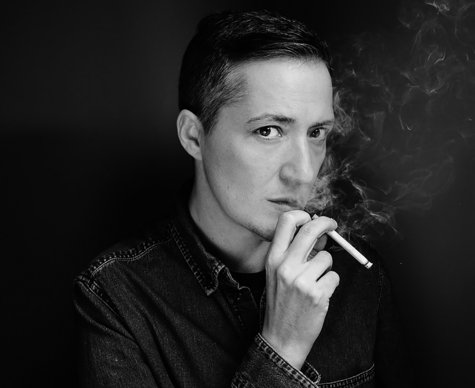
Danil Usmanov is a documentary photographer from Bishkek working mainly in Central Asia. His work explores life in these regions as well as migration, social changes, and everyday life. It has been published in many international publications, including Le Monde, The Diplomat, New Lines Magazine, Meduza, Die Zeit, The Guardian, Vice France, Associated Press, DER SPIEGEL, and others. Usamov has worked with numerous international organizations, including USAID, UNICEF, UNDP, WHO, WFP, UN Women, GIZ, Saferworld, UNHCR, SRC, and the Aga Khan Foundation. He graduated from the Kyrgyz State University of Culture and Arts and the DocDocDoc School of Modern Photography and Documentation, and has completed numerous master classes and educational programs, including IVLP and the Nikon-NOOR Academy.
Team
Dates
Further Information
Visitor note
Studio HAU2
Credits
Part of “Being Alone – Artistic Perspectives from Central and East Asia and Beyond“, a project within “Solitude: Loneliness & Freedom,” an initiative of the Goethe-Institutes in East and Central Asia in cooperation with HAU Hebbel am Ufer. Supported by: French Embassy in Kyrgyzstan, Goethe-Institut Kyrgyzstan, as part of the joint project of the Franco-German Cultural Institute in Bishkek.
Location
HAU2
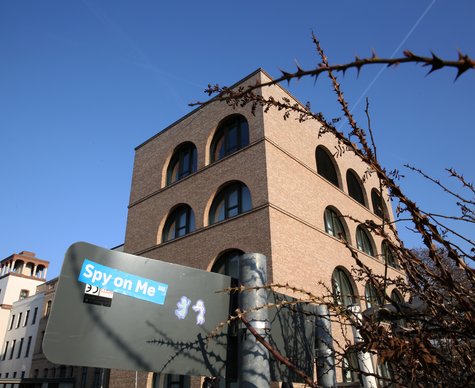
Hallesches Ufer 34, 10963 BerlinThere are two marked parking spots in front of the building. Barrier-free restroom facilities are available. Four relaxed seats are available in the first row of HAU2.